From Sticky Notes to Systems: Build momentum that lasts

Today we explore From Sticky Notes to Systems, showing how fleeting reminders can mature into dependable workflows that reduce chaos and amplify progress. Expect practical steps, real stories, and gentle rigor that respects creativity while preventing drift. By the end, you will know how to capture ideas, connect them meaningfully, and consistently act with confidence instead of juggling paper fragments and half-remembered intentions.

Why quick reminders collapse when growth arrives

Handwritten notes sparkle with immediacy, yet they buckle under scale, collaboration, and time. As responsibilities multiply, fragments hide context, priorities blur, and duplicate ideas proliferate. Systems, by contrast, preserve intent, clarify decision paths, and create a shared language, enabling teams and individuals to navigate complexity with calm, repeatable clarity instead of frantic searching and rework.

A clear path from scattered scraps to steady flow

The journey begins by honoring what you already captured, then shaping gentle rules that tame chaos without suffocating creativity. Inventory everything, define how information moves, and choose simple tools that grow with you. Small, consistent upgrades compound quickly, turning once-frantic fire drills into predictable, humane routines that withstand pressure and change.

Audit your current universe

Gather every note, photo, notebook, and digital snippet into one staging area. Label duplicates, archive the obsolete, and group by projects, people, and decisions. This compassionate inventory reveals patterns of neglect and success, helping you design pathways that reflect real behavior rather than idealized wish lists or temporary enthusiasm.

Define operating principles you will actually use

Choose a tiny set of rules: one inbox for capture, weekly review without fail, clear naming conventions, and no parallel secret stashes. Principles reduce friction and arguments, guiding decisions when you are tired or busy. They become the rails that keep creativity moving forward without derailing under pressure or novelty.

Select a lightweight, extensible stack

Pick tools that make capture instant, organization intuitive, and retrieval delightful. Favor search, integrations, and portability over flashy features. Your stack should support tags, links, and checklists while staying approachable for teammates. Start with essentials, then layer automation only after the manual process consistently delivers reliable, low-stress results.

Design for adoption, not perfection

A beautiful structure no one uses is a museum, not a system. Prioritize low friction, obvious next actions, and shared rituals that welcome participation. Iterate publicly, invite feedback, and celebrate small wins, so trust accumulates. When people feel the ease and clarity, they choose the system without mandates or nagging.

Frameworks and tools that scale with ambition

Successful systems blend familiar frameworks with tools that play well together. Think in layers—capture, clarify, plan, execute—and let each layer do one job extremely well. Whether you prefer kanban, PARA, or time-blocking, combine approaches thoughtfully so your workflow flexes with seasons, teams, and evolving goals without brittle complexity.

Capture, clarify, commit

Adopt a three-step cadence: grab everything fast, decide what it means, and commit to a next step or archive. This simple pipeline prevents backlog rot and wishful lists. Clarity at the boundary between thinking and doing unlocks momentum, because every item either advances or disappears, reducing guilt and cognitive clutter.

From boards to calendars without whiplash

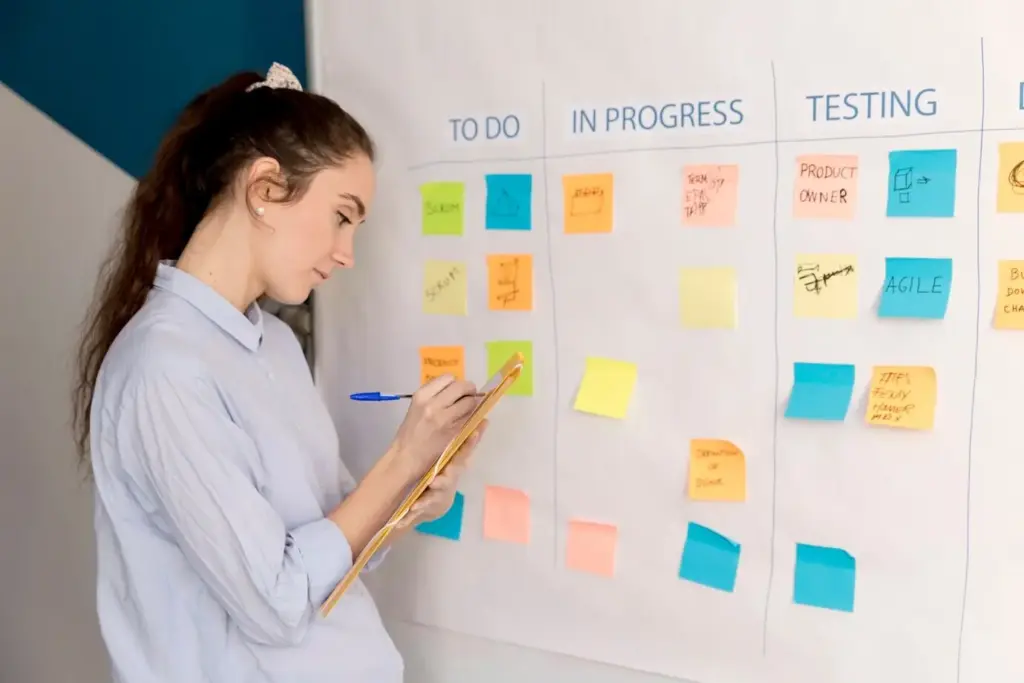
Use kanban for flow visibility, lists for detail, and the calendar for genuine time constraints. Link tasks to time only when necessary, preserving focus while respecting deadlines. This alignment eliminates overpromising, translates priority into capacity, and keeps work moving without the shock of constant rescheduling and shifting sandcastles.

Automation with judgment

Automate recurring labels, handoffs, and reminders, but keep humans in charge of meaning. Guardrails prevent runaway rules from creating hidden chaos. Start with one automation that saves ten minutes weekly, validate it during reviews, then expand. Measured automation multiplies reliability without sacrificing awareness, nuance, or the ability to adapt quickly.

Field notes: real transformations under pressure

Signals that your new approach is working

Progress becomes visible when confusion fades and choices feel lighter. Look for fewer emergency pings, faster onboarding, and tasks moving smoothly from idea to done. Measure leading indicators, not vanity totals, and use health checks to tune the engine. When trust rises, momentum compounds and outcomes simply follow.

Begin now: a seven-day momentum plan

You do not need a software overhaul to start. Over one week, you will consolidate capture, define simple routes, and test rituals that keep everything alive. Share progress daily, invite comments, and adjust. Momentum comes from consistent steps and honest reflection, not grand gestures or endlessly postponed redesigns.

Days 1–2: Capture and inventory

Create a single inbox and funnel every note, photo, and thought into it. Run a quick pass to delete obvious junk, then tag by project and owner. Resist polishing. The win here is completeness, not elegance, laying stable groundwork for smarter decisions later without prematurely optimizing what should first be gathered.

Days 3–4: Shape path and language

Define naming rules, choose three to five tags that matter, and map how items move from inbox to action or archive. Build one view per team function, then test with a real task. Do a tiny retrospective to confirm clarity, removing extra clicks and ambiguous labels that slow understanding or encourage detours.

Mitulufifozaxoxora
Privacy Overview

This website uses cookies so that we can provide you with the best user experience possible. Cookie information is stored in your browser and performs functions such as recognising you when you return to our website and helping our team to understand which sections of the website you find most interesting and useful.